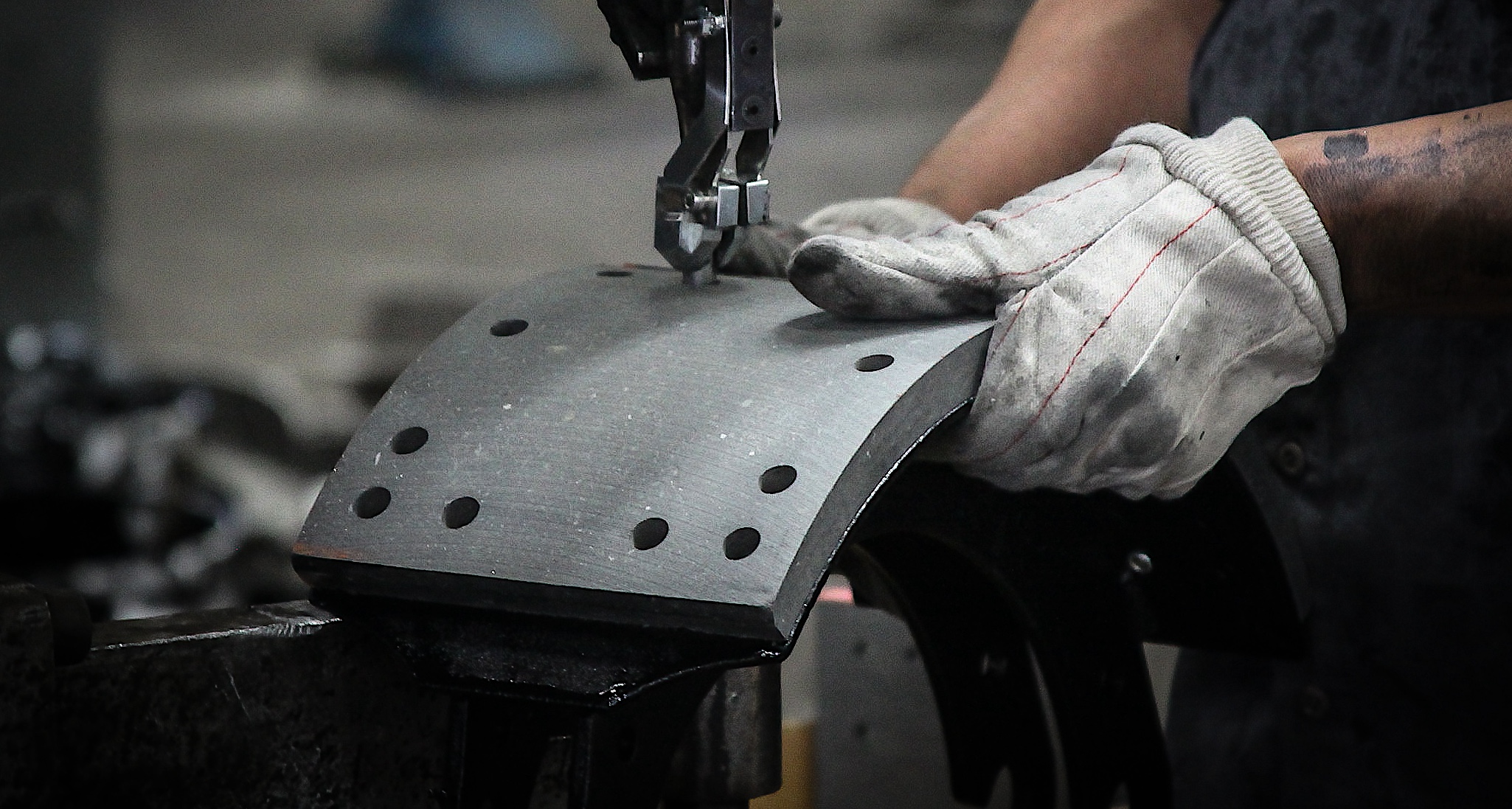
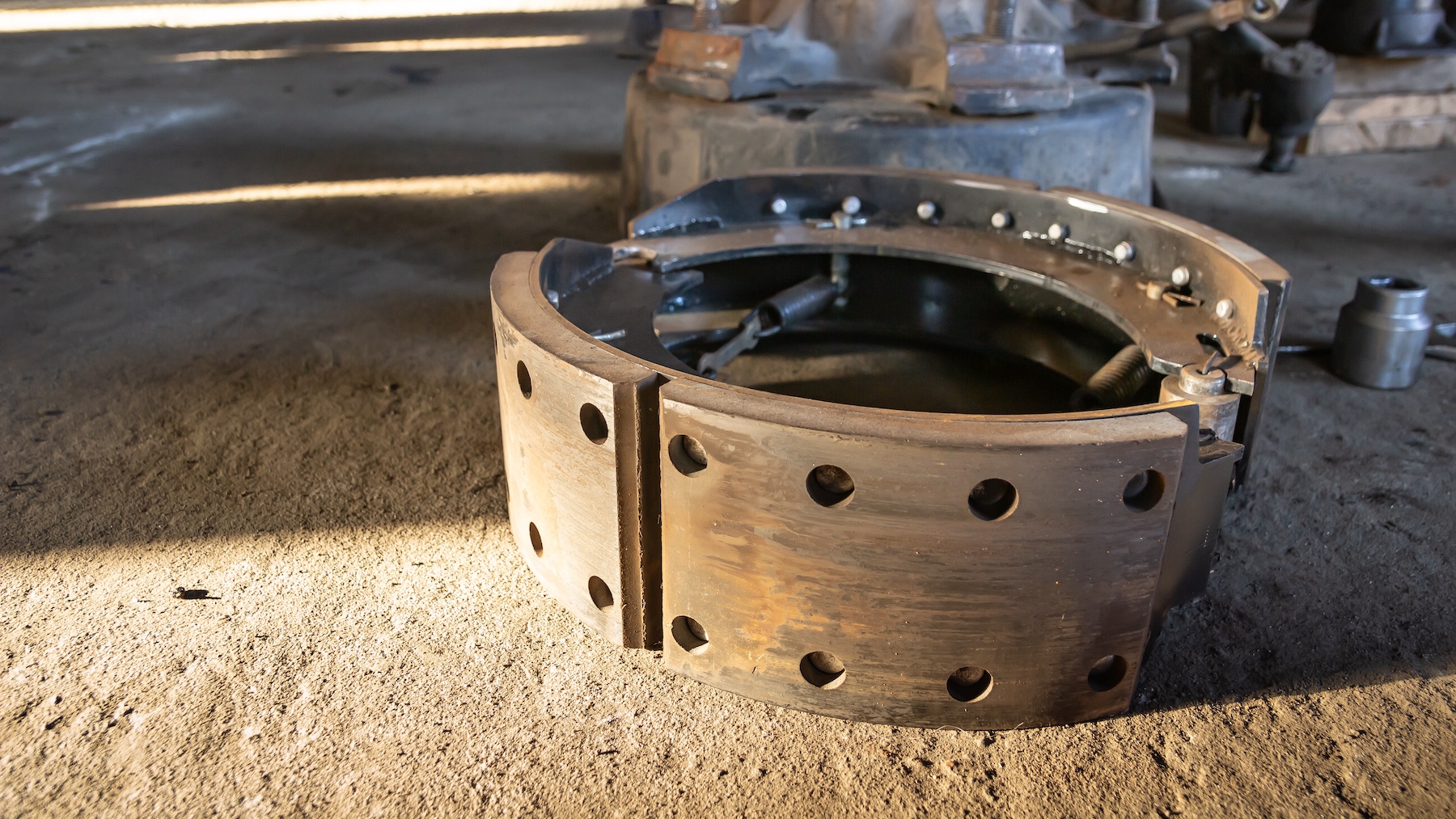
We build brake linings for a living. We know what goes into them, what it costs to do it right, and what corners look like when they get cut. So when we watch cheap Chinese friction material enter the American heavy-duty truck aftermarket with almost no regulatory pushback, it concerns us. We see the consequences, and it’s time to talk candidly about what’s going on.
We’ve already drawn a spotlight on brake dumping. The predatory pricing, the antidumping duties, and the transshipment schemes designed to dodge them. How Chinese manufacturers flooded the brake market with product priced below what any legit manufacturer can responsibly match, and how it took duties approaching 300% to start closing the gap.
But closing the gap on drums didn’t stop the problem. It just shifted it to where regulators aren’t looking as closely: friction material.
Same Scheme, Different Product
The variety of Chinese friction material hitting the U.S. heavy-duty aftermarket right now is enormous. But unlike brake drums where the antidumping investigation created a documented, enforceable paper trail, the lining and friction formulation market gets significantly less regulatory scrutiny.
There’s no formal ITC action. No specific duties. And no enforceable standard that follows the product from the factory floor to the parts counter. So the same dynamic we described with drums is playing out again, only this time away from the spotlight.
China cheap friction material is moving through e-commerce platforms, wholesale distributors, and secondary suppliers at prices domestic manufacturers cannot match (not without gutting the raw material quality needed to make a brake lining work effectively). And because the enforcement infrastructure that surrounds drums doesn’t extend to friction material, there’s very little standing between them and somebody’s truck.
Why It’s Harder To Fight
With brake drums, the problem is at least visible at the dock. Customs can screen a container. Duties can be applied. An importer caught transshipping faces real consequences.
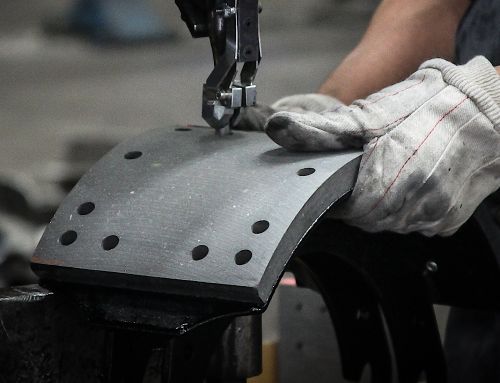
Friction material is a different story. A brake lining looks like a brake lining. You can’t tell what’s inside it just by looking at it, so the quality problem remains hidden until it appears as premature wear, heat fade on a long grade, or drum damage that nobody can easily trace back to a cause.
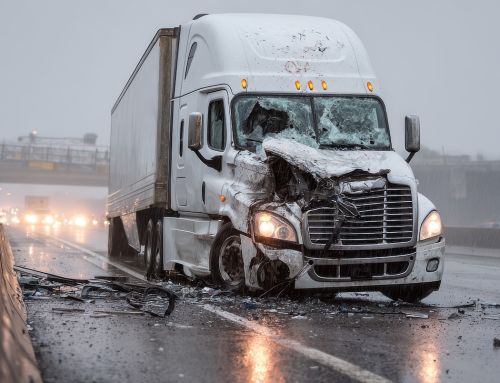
OR UNTIL SOMETHING WORSE HAPPENS ON THE ROAD.
Fact is, heavy-duty trucks move fast, carry enormous loads, and the friction material pressing against those drums is doing the actual work of stopping the vehicle. It is not a secondary concern. It doesn’t get a second chance. And its quality should never be assumed.
Certifications And A False Sense Of Security
When people hear that a product is certified, they usually stop asking questions. We understand why. It creates a sense of security. But a certification doesn’t carry the weight you might think it does. It simply confirms that a manufacturer met a standard at the time of testing. That’s all.
It says nothing whether the material being shipped today matches the material that was tested. Question mark. Says nothing about whether the raw materials were substituted after certification to achieve a lower price point. Another question mark. Nothing about whether quality control is being maintained consistently across every production run. And so on, you get the idea.
At the end of the day, counterfeit and substandard brake linings can carry legitimate-looking certification markings while the underlying material never truly meets those standards in the product being sold.
The certification is on the box. What’s in the lining is a separate question altogether. And, right now, almost no one is requiring a good answer to it.
The Cost Of Going The Extra Mile
We’ve been building and formulating premium heavy-duty brakes since 1988. We know exactly what goes into a brake lining. The abrasives, the binders, the compounds that manage heat and fade resistance and, more specifically, what it costs to source those materials responsibly.
When a competitor’s price is so low we can’t get close without compromising our formulations, the question isn’t how they’re running a leaner operation. The question is what they left out.
At NeoBrake, the formulation that earns a certification is the formulation in every box that ships. Our sourcing doesn’t change run to run. Our quality control doesn’t bend to margin pressure. That’s not a selling point. It’s the foundation for building something our customers can trust.
The antidumping duties on brake drums were a real step forward. But friction material needs the same scrutiny, and it isn’t getting it yet. Fleets and owner operators need to demand verifiable sourcing and current quality data – not certification stamps years removed from what’s being produced today.
Ask where your friction material comes from. Learn what’s in it. Find out if the answers have changed since the last time someone tested it. Friction material may not be under the close, watchful eye of the federal government, but the doesn’t mean each of us in the industry can’t do a better job of asking the tougher questions.
We won’t stop asking them.
So, what’s stopping you?