There’s a moment every truck driver dreads.
Traffic ahead stops suddenly. A curve tightens faster than expected. A sporty little convertible cuts them off. With little to no time to react, the only thing that matters in that split second is whether your brakes work.
The load doesn’t. The schedule doesn’t. Not even the cost of your brakes.
Or does it?
Because right now, on highways and city streets across America, a significant number of commercial trucks are rolling with brake systems that won’t perform in that moment of truth.
Not because of driver negligence or overdue maintenance. Because of what those brake components are made of, and where they were manufactured.
The numbers tell the real story.
Cheap Brakes Might Be Appealing, But These Numbers Aren’t
During CVSA Brake Safety Week 2025, inspectors evaluated 15,175 commercial vehicles across 52 jurisdictions and immediately placed 2,296 of them out of service for brake-related violations. That’s 15.1%, nearly one in six trucks that couldn’t meet the threshold to legally operate on our roadways.
When inspectors deployed performance-based brake testers to measure actual stopping power, 25 trucks fell short of the federal minimum braking efficiency standard of 43.5%. And that’s just what inspectors found in a relatively small sample of vehicles.
The fact is, these aren’t marginal cases. These are trucks that couldn’t generate enough braking force to meet the lowest legal requirement. Trucks freely moving freight across public roadways right up until the time the inspector stopped them.
The crash data doesn’t paint a better picture:
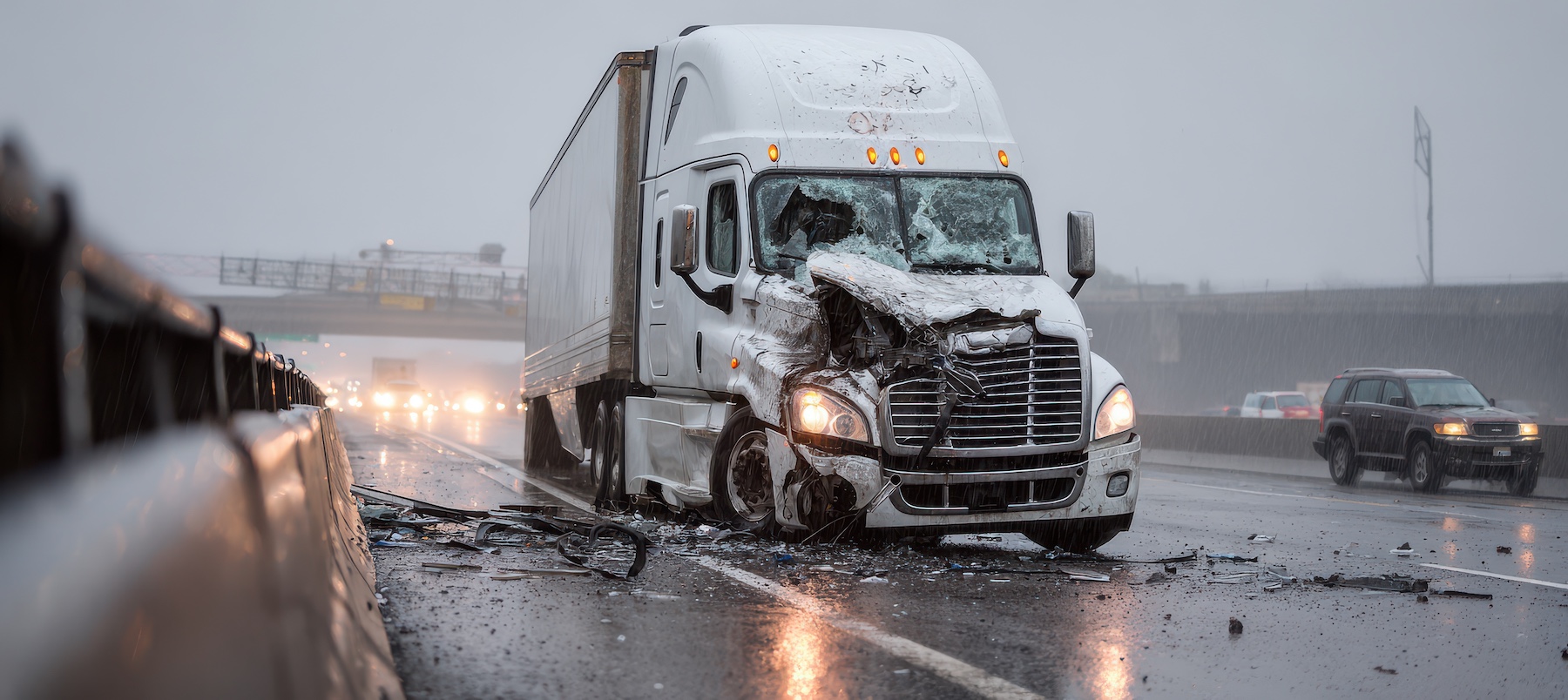
• Brake failure is the single leading vehicle-related cause of large truck crashes – a contributing factor in 29% of them.
• A truck with brake problems is 170% more likely to be the cause of a crash.
• Nearly 76% of the fatalities in large truck crashes aren’t truck drivers – they’re car drivers and passengers, motorcyclists, and pedestrians who had no idea what was rolling toward them.
In 2023, according to FMCSA data, large trucks and buses were involved in more than 171,000 crashes. How many could’ve been prevented with better brakes? How many more must there be before the entire trucking industry embraces quality over price? It’s not a difficult decision when you compare costs over the long haul.
Because behind every one of these dreaded numbers is a person, a family, a moment that didn’t have to happen.
If It’s China Cheap, Throw It On The Heap
The connection between brake quality and these inspection findings is no accident, which is why we’re concerned about the sheer volume of cheap Chinese brake components in the U.S. aftermarket.
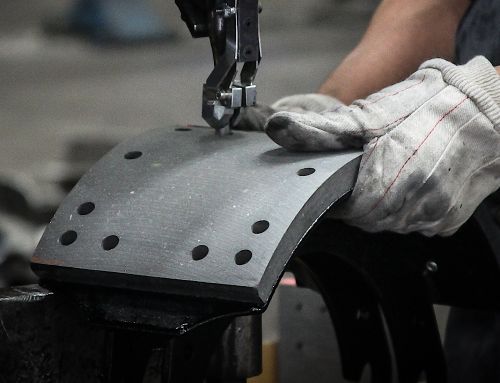
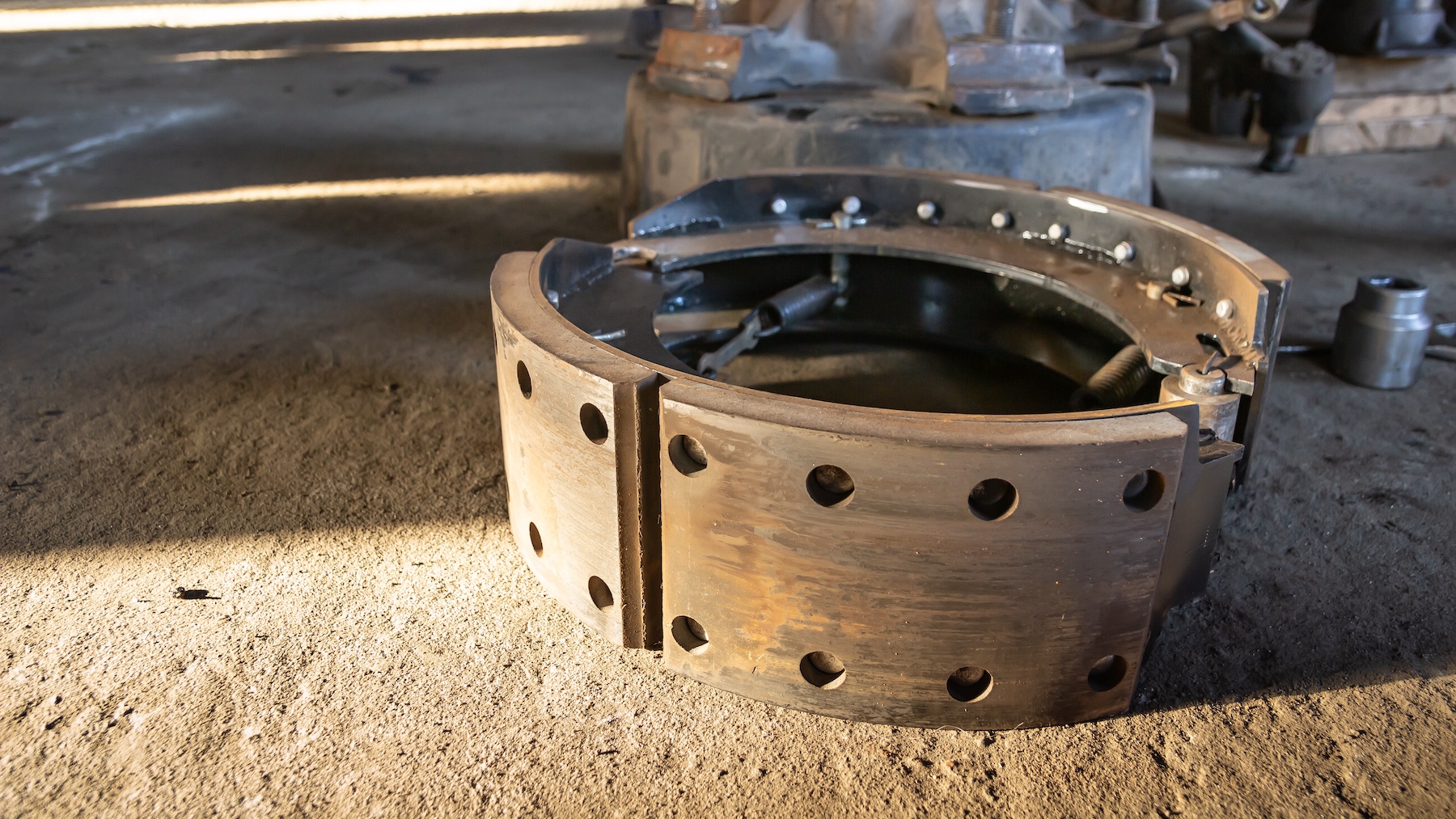
Friction material made with lower-quality mineral compounds, excessive fillers or other cost-driven material choices can wear faster and perform unpredictably under the heat and load conditions that working trucks generate every day.
It glazes under sustained stress. It loses friction coefficient when drivers need it most. And its abrasiveness punishes drums, accelerating wear through the entire wheel-end assembly.
If drums crack, they don’t just lead to brake failures. At highway speed, they can fragment and separate from the truck and become projectiles. During enforcement week 2025, CVSA inspectors flagged 113 commercial motor vehicles for drum and rotor violations, placing 39 of them out of service.
Inspections are one way to get these problem components off the roads. The more practical solution, however, is buying high-quality brakes that extend service life and lower your cost per mile.
The NeoBrake Formula
This is the problem NeoBrake has spent more than 35 years engineering against.
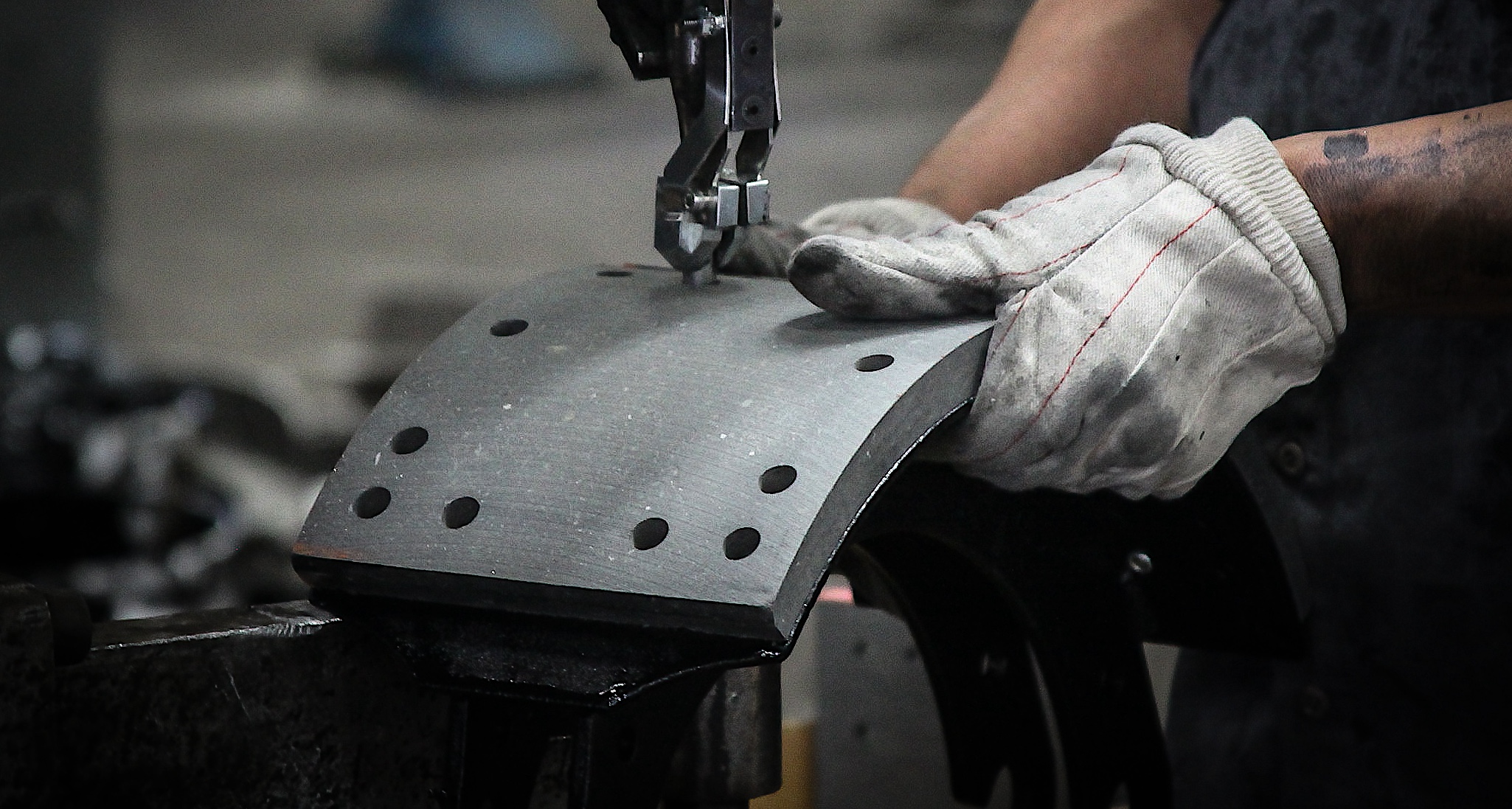
Our NeoKinetic Friction Technology™ uses world-class mineral compounds and the highest quality resins with no fillers and no substitutions, because the performance difference between quality friction and cheap filler-laden material is not a marketing distinction – it is a stopping distance.
It is a drum that lasts versus a drum that fragments. It is a brake that holds on a mountain descent versus one that fades when the load gets heavy and the grade gets steep.
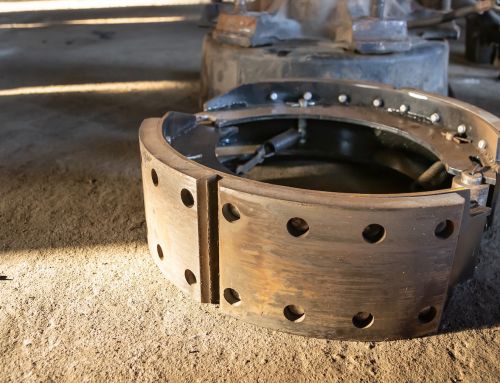
Our non-abrasive NB1088 TFT linings are specially formulated to protect drums rather than gouge them, extending wheel-end service life across the entire assembly. Our Matrix NeoCast™ brake shoe delivers structural integrity under load that weaker pressed-steel counterparts simply cannot match. And our Triple Double Guarantee™ backs it all with a commitment to twice the performance life of conventional linings.
But let’s be clear. The 2025 inspection data is no anomaly. It is the predictable outcome of an industry that has grown too comfortable buying brakes on price instead of performance.
All it takes is one truck with failing brakes to change everything for everyone around it.
This is why we build what we build, the way we build it, and why we have never once considered building it any other way.
So, what’s stopping you?