
Most people running trucks today have probably never heard of brake dumping.
They know what parts cost. They know what a good bargain looks like. And they know that keeping a truck on the road means watching every dollar.
We get it.
But brakes aren’t just another line item on a purchase order.
They’re what stop the truck.
That’s why we’ve been paying attention to the low-priced imported brake components flooding the U.S. heavy-duty aftermarket. For years, we’ve watched cheap Chinese products put more and more pressure on American manufacturers to lower prices.
Eventually, that pressure led to a closer look at what was happening with certain imported brake drums, raising questions about how those products were being priced and sold in the U.S. market.
Here’s what we know about the brake dumping problem.
So, What Is “Dumping?”
Simply put, dumping is selling a product in the U.S. for less than it’s considered worth under U.S. trade rules. Sometimes that’s less than what it sells for in their home country or can even mean its priced below what it actually costs to produce.
But being cheap doesn’t automatically make something “dumped.” There has to be evidence of unfair pricing, along with evidence that the imports are hurting American industry.
That’s what happened with some brake drums from China and Turkey.
In 2024, American brake manufacturer Webb Wheel Products asked the government to investigate. The Department of Commerce found that certain Chinese brake drums were being dumped in the U.S. market. It also determined that some Chinese manufacturers were benefitting from subsidies from their won government.
In turn, the U.S. International Trade Commission determined that imports covered by the case had materially injured the American brake drum industry. You don’t need to know every detail of the case, but the important thing to note here is:
Certain imported brake drums were found to be unfairly traded, and the American industry was being hurt by it.
What The U.S. Government Did About It
Once the investigations were complete, the government put trade duties in place on certain brake drums from China and Turkey.
The goal was pretty straightforward: level the playing field.
If imported products are being sold unfairly or benefitting from government subsidies in a way that hurts American manufacturers, duties can be used to offset the advantage.
That’s what antidumping and countervailing duties are intended to do in this case. To address the unfair trade and give American manufacturers a fairer shot at competing.
And that’s important.
Not because U.S. manufacturers should be protected from competition. We welcome it. It pushes us to improve, innovate and give customers more for their money.
But competition only works when everyone is playing by the same rules.
Why It Matters Beyond Price
The brake dumping case isn’t just about American products competing against imported ones. It’s also about what we’re asking those brake components to do once they leave the loading dock and hit the road.
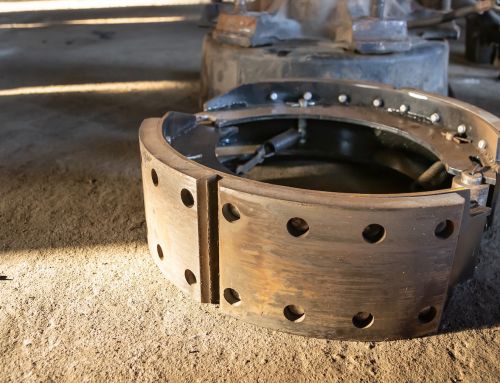
Brake drums are part of a system responsible for bringing heavy-duty trucks and their massive loads to a stop. Their performance matters. Their durability matters. And given everything at stake when those trucks are sharing the roadways, the materials and manufacturing behind them demand the utmost scrutiny.
That’s why we think the conversation about imported brake parts deserves more attention.
A part can meet a price point and still leave important questions unanswered. Where was it made? Who made it? And who is responsible for making sure it performs the way it should?
Those are the questions worth asking before any brake component goes on a truck.
Why? Because getting a brake drum through Customs doesn’t mean the government has approved its quality. That’s not what Customs does.
The responsibility for knowing what’s going on the truck still belongs to the people buying, selling and installing the parts.
Putting Quality First Since 1988
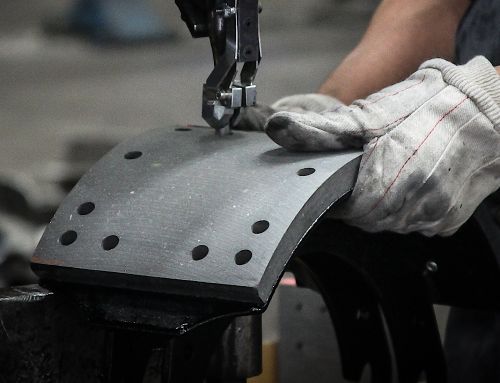
At NeoBrake, we’ve been building premium heavy-duty brakes in Oak Creek, Wisconsin since 1988.
In all that time, we’ve never competed on price by compromising on materials. We’ve used filler compounds or substituted cheaper resin just to pad a margin.
That philosophy may put us at a disadvantage in a market where price has too often been the only conversation. But it also means that every brake that leaves our facility is one we’re willing to put our reputation behind.
The antidumping duties are a step in the right direction, but they don’t answer the bigger question of what goes on the truck. That takes some education – and a willingness to look beyond the invoice.
And remember, no trade ruling can protect the driver from what’s installed to stop his or her truck.
That’s the choice we all must make.
We’ve built our entire company around getting that part right. Nearly 40 years in, we’re not about to stop now.
So, what’s stopping you?