We build brake linings for a living.
We know what goes into them. We know what it costs to do it right. We know what corners look like when they get cut. So when curiously cheap Chinese friction material enters the American heavy-duty truck aftermarket with almost no regulatory pushback, we notice.
And we think it’s time to talk candidly about it.
We’ve already shined a spotlight on brake drum dumping. The unfair pricing. The antidumping and countervailing duties. The attempts to evade those duties through different trade channels.
And we’ve touched on the trade remedies put in place to address unfairly traded Chinese brake drums and help level the playing field.
Problem solved, right?
Not necessarily.
Because the government addressed one part of the problem, but what if the race to the bottom shifted somewhere else?
That’s the question.
Because the trade-enforcement actions surrounding certain imported brake drums don’t automatically apply to other brake components. Friction material is a separate product category, and if it isn’t covered by a specific trade remedy, it isn’t subject to the same enforcement network.
That can make unfair pricing harder to identify, harder to investigate and, ultimately, harder to address.
Here’s why.
Same Concern, Different Product
We’ve been paying attention to the amount and variety of Chinese friction material showing up in the U.S. heavy-duty aftermarket. While the scrutiny surrounding imported brake drums has brought much needed exposure to the way certain brake components are priced, friction material remains a different story.
But if low-cost pressure can make one part of the brake market harder to compete in, it’s only natural to ask if that same pressure could appear somewhere else.
Could friction material be next?
We’re not saying it is. We’re saying it’s worth a closer look.
The bigger concern isn’t just what it costs. It’s what’s what you can’t see.
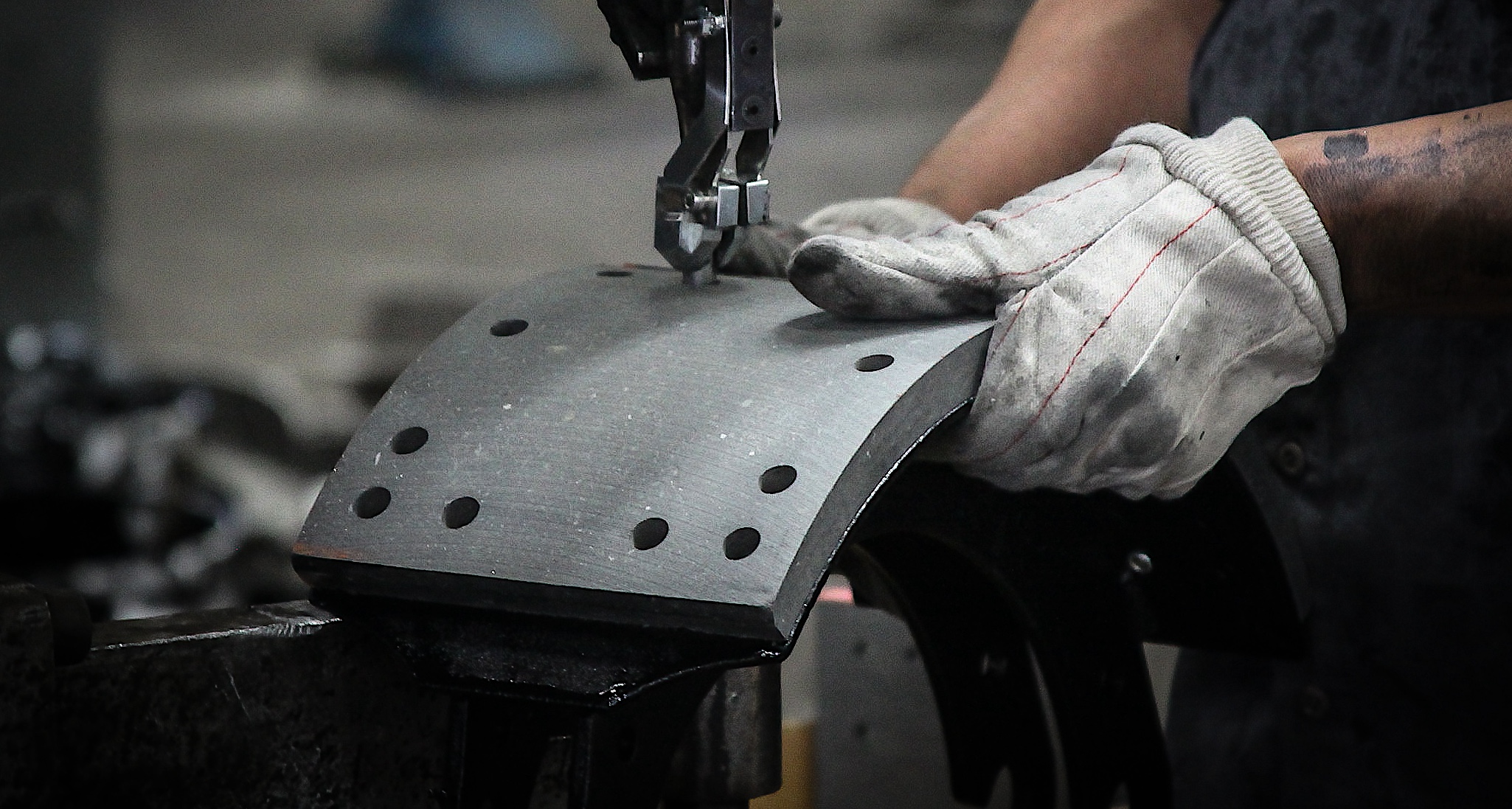
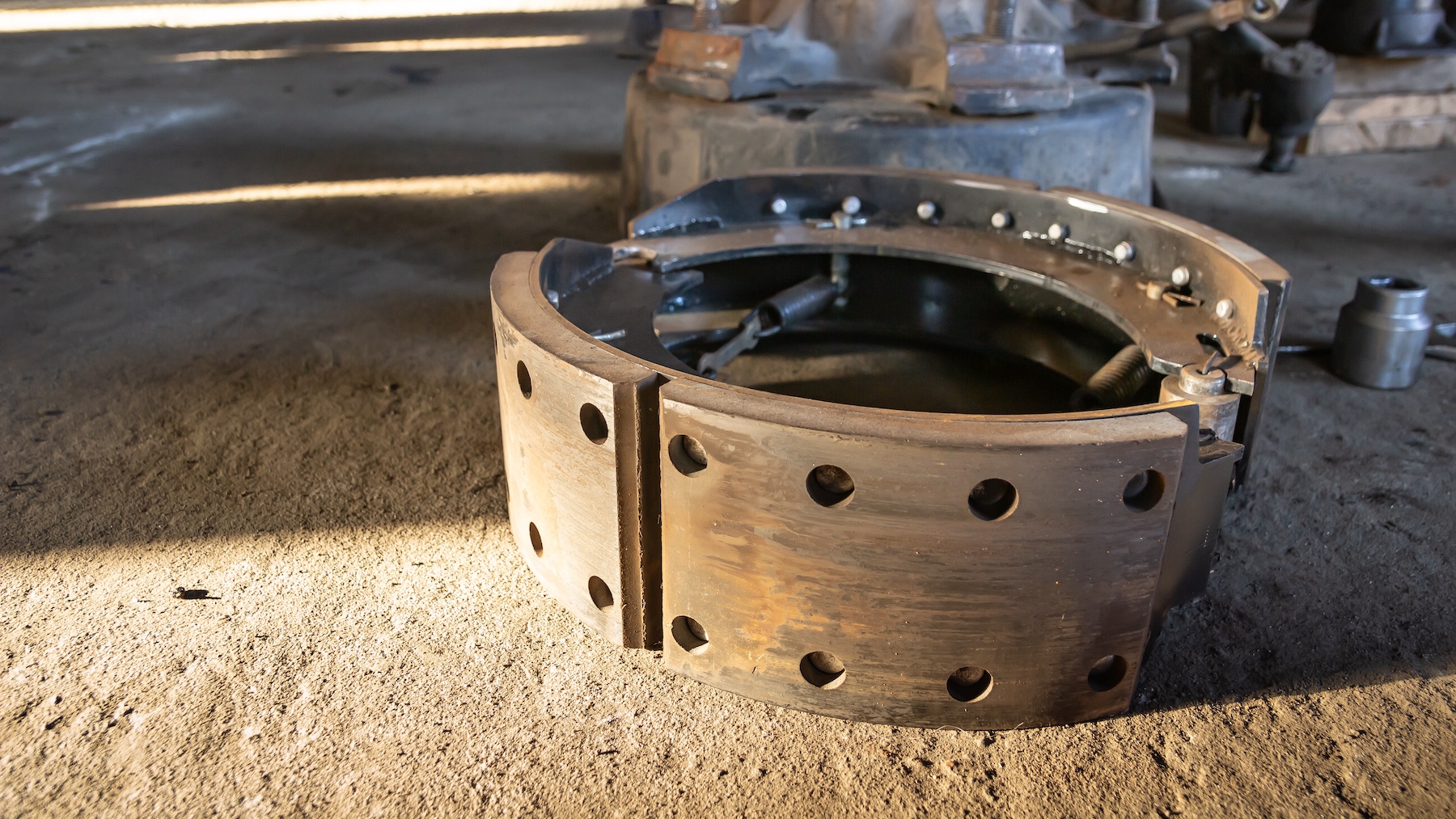
You can’t look at a brake lining and tell how it’s made. You can’t see the quality of the raw materials, the formulation or how well those materials were blended, bonded and processed. And you certainly can’t see if changes were made along the way to reduce manufacturing costs.
No, unfortunately. Those quality issues don’t reveal themselves until they show up as premature wear, heat fade, inconsistent performance, or drum damage. And by then, it can be difficult to trace the problem back to the friction material that started it.
Or until something worse happens on the road.
That’s what makes this more than a question about price.
Heavy-duty trucks move fast and carry enormous loads. The friction material pressing against those drums is what brings all that weight to a stop. There are no second chances. Everything is riding on those brakes. So when the time comes, it’s not the time to question whether the material you bought was good enough.
Quality should never be assumed. It should be known.
Certifications Don’t Tell All
This is where things can get especially confusing.
A certification matters, no question. It tells you that a product or manufacturer met the requirements of a particular certification process. But it shouldn’t be viewed as a blanket guarantee that every piece of material produced years later matches the material that was originally tested.
Are the same raw materials being used today? Is the formulation still the same? Are the same manufacturing and quality control procedures being followed? Has anything changed since the product was tested?
Those aren’t unreasonable questions. They’re the kinds of questions anyone buying a component critical to the safe operation of vehicles ought to be asking. And while legitimate certification programs provide a level of assurance, certification markings aren’t a substitute for knowing what you’re buying.
The certification may be on the box, but it’s what’s inside the lining that counts.
“Cheap” Has to Come from Somewhere
The brake drum investigations showed that sometimes there’s more behind a low price than simply being good at making something cheap. In that case, the U.S. government found that certain Chinese brake drums were being dumped into the American market and imposed trade duties as a result.
So when we see friction material coming into the U.S. aftermarket at prices that seem difficult to reconcile with the cost of making a quality lining, we think it’s fair to ask some of the same questions.
Is it simply a matter of lower manufacturing costs? More efficient production? Or is something else driving the price?
We’re not saying the answer is dumping. That’s something that has to be established through the appropriate trade process. We’re saying the question deserves to be asked.
At NeoBrake, we’ve been making heavy-duty brake products since 1988. We know what goes into a brake lining, and we know what quality raw materials and careful manufacturing cost. We source the materials we believe belong in our products, formulate them for the performance we expect, and maintain quality controls needed to keep that performance consistent.
Because a lower price doesn’t make the cost of making a quality lining disappear.
Something has to give.
And when it comes to friction material, what gets left out can matter just as much as what goes in.
That’s why we’re going to keep asking – and we think you should, too. Know where your friction material comes from. Know what’s in it. And when the price seems too good to be make sense, don’t be afraid to ask why.
Because when you’re talking about the brakes on a heavy-duty truck, the cheapest option isn’t necessarily the least expensive one.
Bottom line: quality brakes are no accident.
So, what’s stopping you?