
The trucking industry has never been short on suppliers willing to sell you something cheaper.
Cheaper materials. Cheaper components. Cheaper brakes.
There’s nothing unusual about competition putting pressure on prices. Fleets need to manage costs, and manufacturers need to compete for their business.
But the China cheap problem has intensified that pressure. As more low-cost Chinese brake products have entered the American aftermarket, manufacturers face even greater pressure to find ways to compete on price.
For NeoBrake, that raises a bigger question:
How do you continue looking out for the fleet when the market keeps pushing everyone toward doing things for less?
At NeoBrake, that question goes all the way back to 1988.
It Starts Before the Brake Reaches the Truck
Looking out for a fleet doesn’t begin when a brake is sitting on a parts counter. It begins much earlier – with what goes into the product and how it’s built.
What materials are used. Where they come from. How they’re formulated. How the product is manufactured.
That’s the approach Rick Ballew took when he founded NeoBrake.
At the time, the industry had transitioned away from asbestos-based friction material and was working to fill the performance gap. Asbestos had long been valued for its durability, heat resistance and braking characteristics. Replacing it with a non-asbestos formulation that could deliver comparable results wasn’t simply a matter of finding another ingredient.
It required research, development and a commitment to finding the right materials.
Rick traveled the world in search of high-quality mineral sources and worked to develop the non-asbestos friction material that became the foundation of NeoBrake.
There were less expensive ways to approach that challenge.
Rick chose not to take them.
And that decision set the tone for the company.
The Choices Behind the Product
That philosophy has continued even as brakes and the demands placed on them have changed through the years.
NeoBrake has continued to invest in material selection, formulation and product development – not simply to keep pace with the market, but to find better ways to serve the fleets that depend on our products.
Take Matrix NeoCast™, for example.
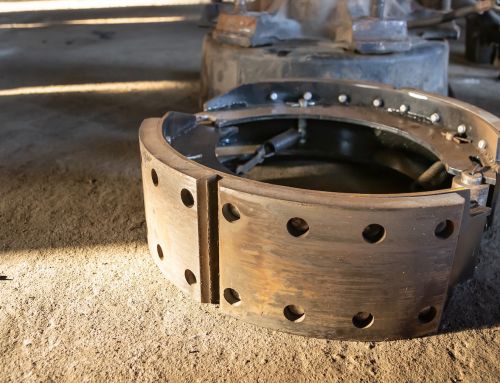
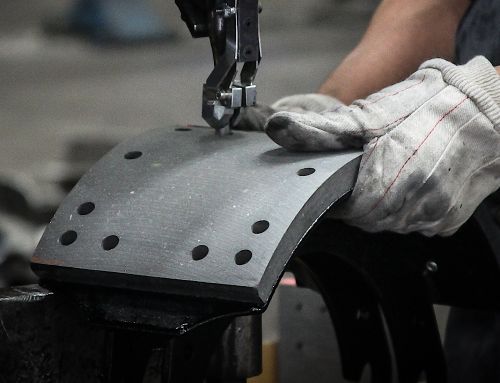
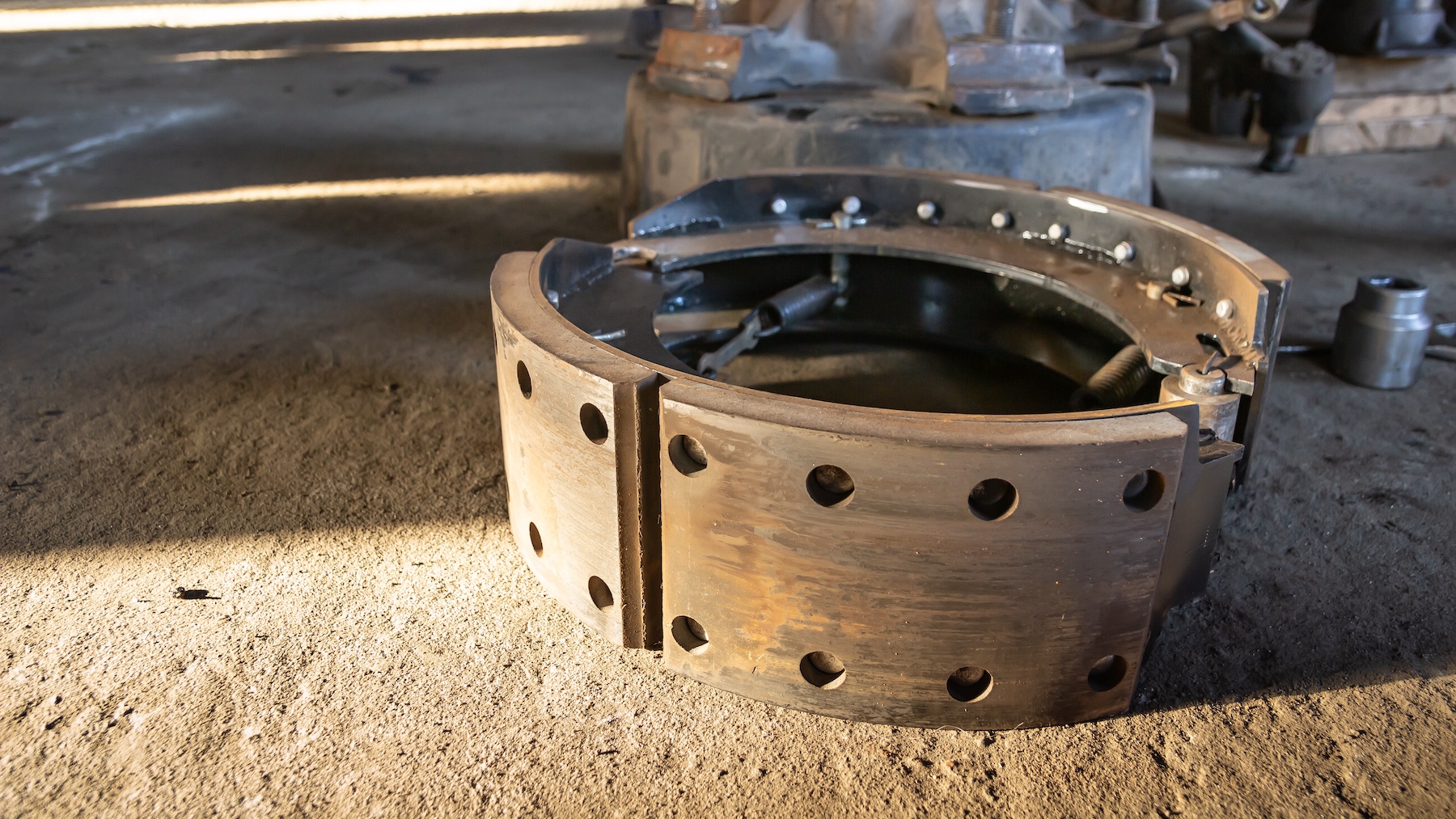
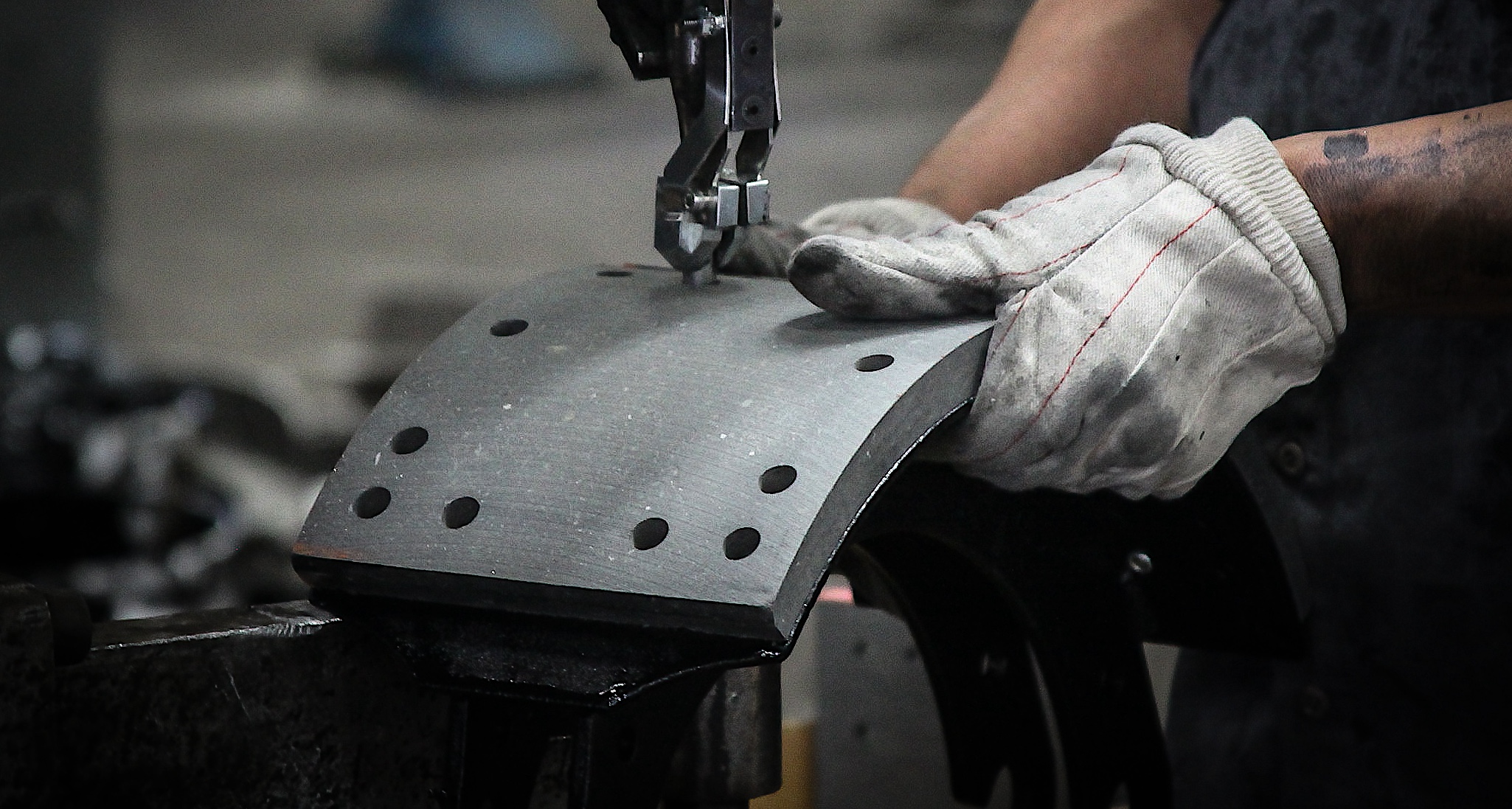
Rather than trying to improve a traditional two-piece welded pressed-steel brake, we developed a one-piece cast iron shoe out of high-carbon ductile cast iron. It weighs comparable to pressed-steel shoes but maintains structural rigidity through multiple relinings.
That’s what happens when you’re asking how to make things better. Not cheaper.
Looking Out for the Fleet
Those kinds of choices may not be visible to a fleet when a brake arrives at the shop. But they’re part of what the manufacturer is responsible for.
That’s how NeoBrake has looked out for fleets from the beginning.
After asbestos, Rick went looking for the materials and formulation needed to keep performance where it belonged. When pressed-steel shoes presented limitations, NeoBrake developed Matrix NeoCast to sustain performance. And as the market has continued to change, the company has kept investing in the materials, technology and manufacturing practices behind its products.
None of that happened at the parts counter. It happened long before a fleet ever had to make a purchasing decision.
And that’s the point.
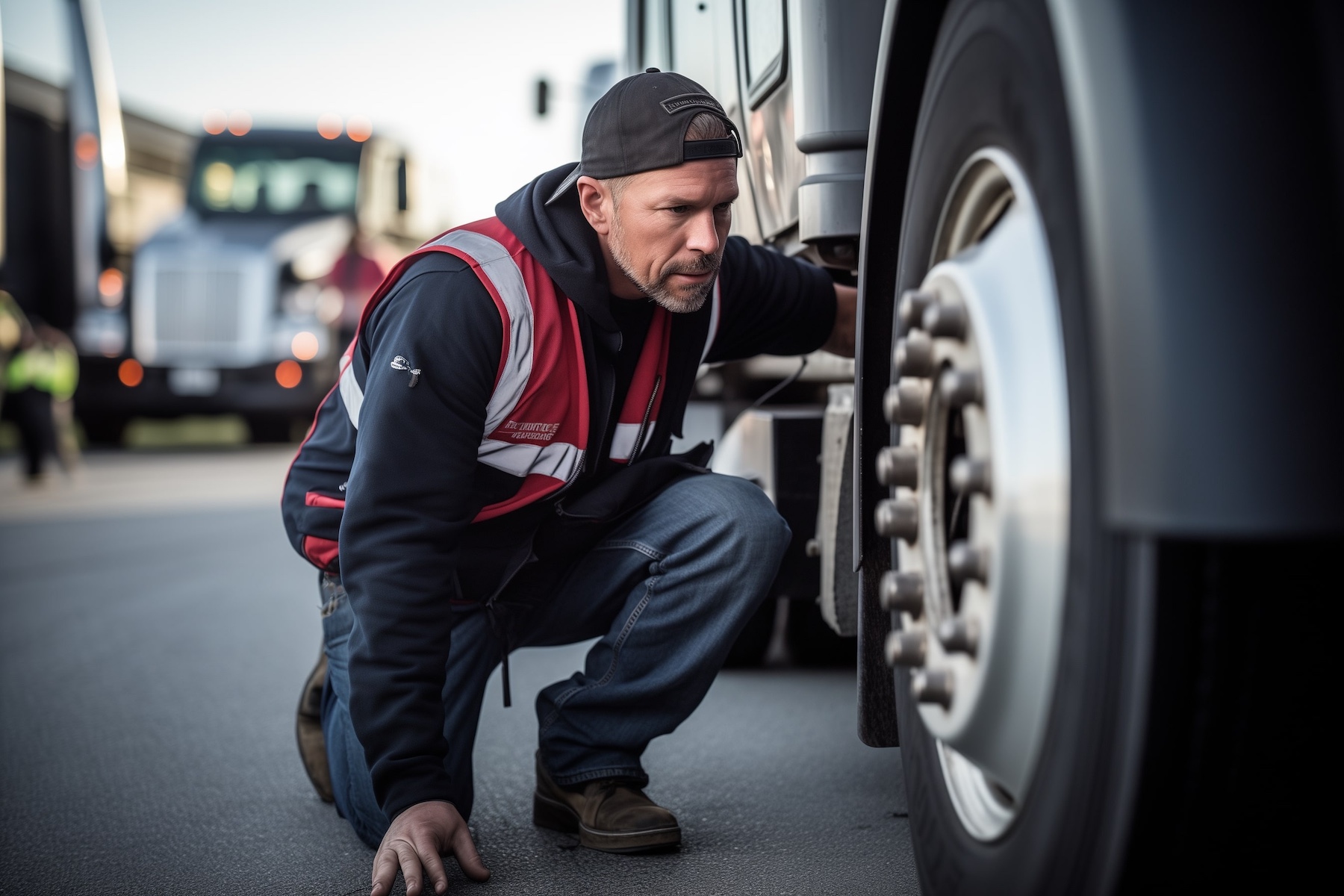
Looking out for a fleet means taking responsibility for the product seriously before it ever reaches the truck.
The market will continue to change. New competitors will emerge. New products will the aftermarket. And, as the China cheap problem has shown, the pressure to compete on price isn’t going away.
NeoBrake can’t control any of that.
What we can control is the standard we set for our own products – and our willingness to keep investing in them.
Commitment From Day One
A lot has changed since Rick Ballew founded NeoBrake in 1988. The trucks have changed. The technology has changed. The marketplace has changed.
But the reason for doing this work hasn’t.
There will always be someone willing to sell something cheaper.
As for NeoBrake, we will continue to put the needs of the fleet at the center of the decisions that matter – including the safety of fleet drivers and everyone who shares the road.
That’s been true since day one.
So, what’s stopping you?